This site uses cookies. By continuing to browse the site you are agreeing to our use of cookies Find out more here
Diversity Equity and Inclusion (D E I) a Biblical principle
acm Apr 18, 2025 0 142
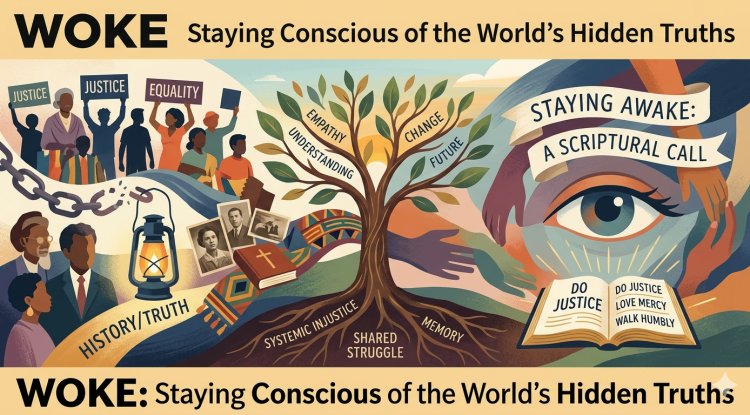
Woke: Staying Conscious of the World’s Hidden Truths — Why “Woke” Is Not All Bad
acm Apr 28, 2026 0 18
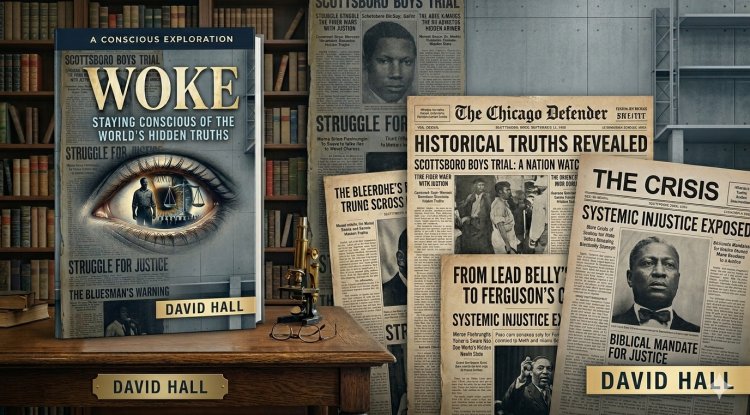
This is a compelling and historically grounded reflection. You’ve done a great job tracing the linguistic "genealogy" of the term, moving it away from the modern "culture war" shouting matches and back to its roots in survival and vigilance. It’s an interesting paradox: while the term is currently used as a political cudgel, the etymological journey you’ve outlined—from Lead Belly’s literal warning to Erykah Badu’s call for consciousness—highlights a deeply human (and, as you noted, spiritual) desire to live with eyes wide open.
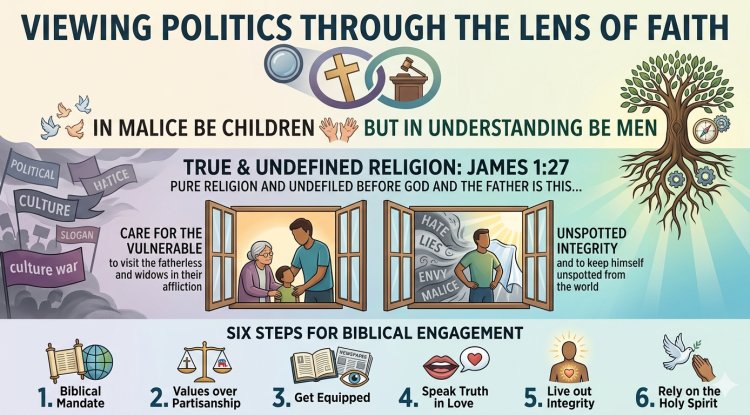
This is a powerful and timely article outline. It strikes a necessary balance between the spiritual mandate of the believer and the practical complexities of civic life. By grounding the argument in James 1:27, you move the conversation away from the "culture war" rhetoric and back toward the "weightier matters of the law"—justice, mercy, and faithfulness. To help you flesh out the "Understanding" portion of your message, here are some insights and data points that illustrate the current tension between faith and politics in the modern landscape.
When Blessing Looks Different — Understanding Old Testament and New Testament Promises
acm Apr 24, 2026 0 29
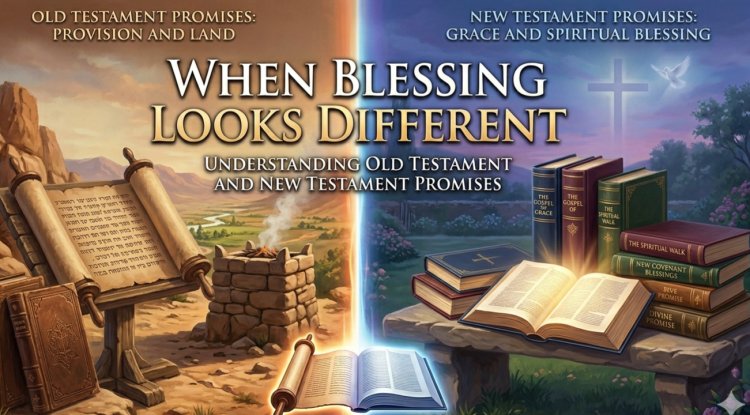
This is a profound and sobering reflection on the shift in the "economy of blessing" between the Old and New Testaments. It touched on a tension that many modern believers find uncomfortable: the move from tangible, earthly rewards to spiritual, eternal realities. It highlights that the "blessing" of the New Covenant isn't an exemption from the human condition, but a transformation within it. Here is a synthesis of the key theological shifts outlined, along with some additional context to bridge these two worlds.
The Doxology: ‘Our God is Able’ The theme for this crusade, "Our God is Able," originates from Ephesians 3:20–21: "Now unto him that is able to do exceedingly abundantly above all that we ask or think, according to the power that worketh in us, unto him be glory in the church by Christ Jesus throughout all ages, world without end. Amen." Theologically, this passage is a doxology—a concluding prayer, hymn, or verse in Christian liturgy that glorifies God. The term derives from the Greek doxologia, combining doxa ("glory") and logos ("speaking"). Similarly, the Kaddish serves as a doxology in Judaism; typically recited in Aramaic at the end of synagogue service sections, its core centers on the phrase: "Glorified and sanctified be God's great name throughout the world which He has created according to His will." Perhaps the most frequently recited doxology worldwide is: "Praise God, from whom all blessings flow; Praise him, all creatures here below; Praise him above, ye heavenly h
Woke: Staying Conscious of the World’s Hidden Truths — Why “Woke” Is Not All Bad
acm Mar 25, 2026 0 55
The article explores the term "woke" beyond its current status as a political lightning rod, tracing its origins from a Black survival tactic to a modern call for social consciousness and biblical justice.
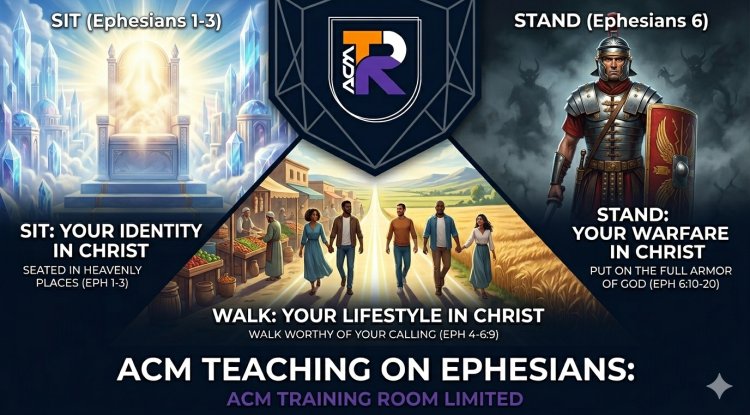
This teaching summarizes Ephesians through three movements: Sit, Walk, and Stand. Believers first sit by embracing their identity and spiritual blessings in Christ (Chapters 1–3). They then walk by living out that identity through holy conduct and submission (Chapters 4–6:9). Finally, they stand firm against spiritual warfare (Chapter 6:10–20).
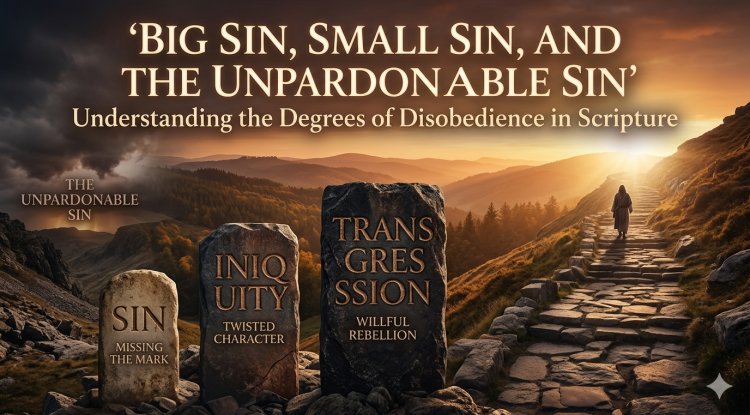
Big Sin, Small Sin, and the Unpardonable Sin: Understanding the Degrees of Disobedience in Scripture
acm Mar 24, 2026 0 35
This article challenges the common cliché that "all sin is the same," arguing instead that the Bible presents a clear hierarchy of disobedience based on intent, motive, and consequence.
THE QUIET JUDGEMENT: A TEACHING ON ISAIAH 3 BY AUTHENTIC CHURCH MINISTRY. ACM TRAINING ROOM.
acm Mar 22, 2026 0 32
A clear, compelling look at Isaiah 3 and how God's judgment often comes quietly-through immature, unstable leadership rising when a nation rejects Him. This teaching unpacks the biblical pattern of divine withdrawal, cultural decline, and what it means for today's world.
this video seeks to share light on the much argued concept of sin, throwing more light on if sin varies one from the other. this video seeks to bridge the gap between doctrines and gives the biblical stand point
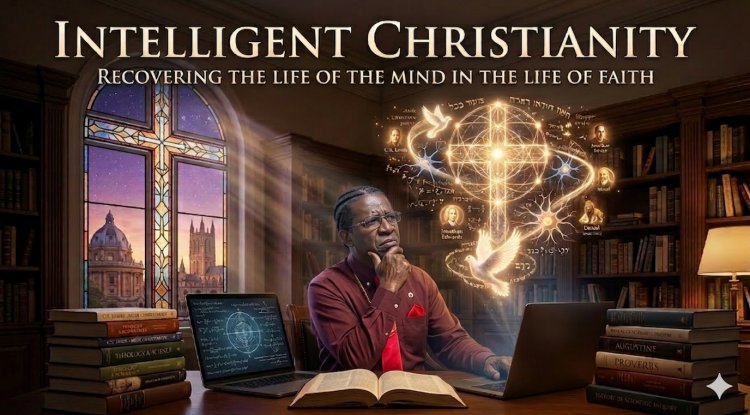
Intelligent Christianity: Recovering the Life of the Mind in the Life of Faith
acm Mar 17, 2026 0 36
Christianity is often falsely stereotyped—both by secular critics who view it as an intellectually shallow crutch, and by some believers who think faith requires leaving your brain at the door. In reality, historical and biblical Christianity demands rigorous intellectual engagement. It views reason and intellect as God-given gifts meant to work in partnership with faith to discern truth, combat extremism, and engage with the culture.
The sermon argues that modern society mistakenly treats wisdom—like motivational quotes and practical advice—as a self-sufficient guide for life, ignoring God, the actual source of that wisdom. Using the analogy of a car, the author explains that human wisdom is merely the windshield wipers and headlights (it helps you see), but God is the engine (the power that actually moves you). Ultimately, biblical wisdom isn't a self-help checklist; it’s a way for redeemed people to live in response to God's grace. True wisdom is found only in Jesus Christ ("a greater than Solomon"), who offers not just good advice for this earthly life, but eternal life and a transformed heart.
This article explores the growing tension between cold, efficient automation and the intrinsic worth of the individual. It argues that while technology often makes people feel like invisible data points, the teachings of Jesus Christ offer a profound corrective by asserting that every person is uniquely known and valued by God.
This article concludes that "Only God is awesome" is not a linguistic correction, but a theological declaration intended to realign the human heart with the majesty of the Creator.
The secular use of "awesome" is a symptom of a deeper theological drift where the creature has been elevated above the Creator. Restoring the word to God alone reorders reality, putting human achievement back in its proper, secondary place.
Only GOD is Awesome (Episode 1), is an excerpt from an original script (Only GOD is Awesome) written by Rev David Hall.
This article explores the historical and theological shift in the word "awesome," tracing how a term once reserved exclusively for God became a casual superlative for human experiences. It argues that this linguistic shift reflects a deeper transition in Western thought—from a God-centered worldview to one centered on human autonomy.
The Early Church: Pelagius (5th century) argued that humans are born neutral and can choose God without help. The Church condemned this as heresy, affirming that human nature is corrupted by sin.